Songci.China · English
Poet profile · English edition

Li Shangyin

813–858

styled Yishan · “Brocade Zither” and the “Untitled” poems

A working English profile of Li Shangyin, compiled from the Chinese poet archive on Songci.China: key dates, the recorded journey stations and selected excerpts.

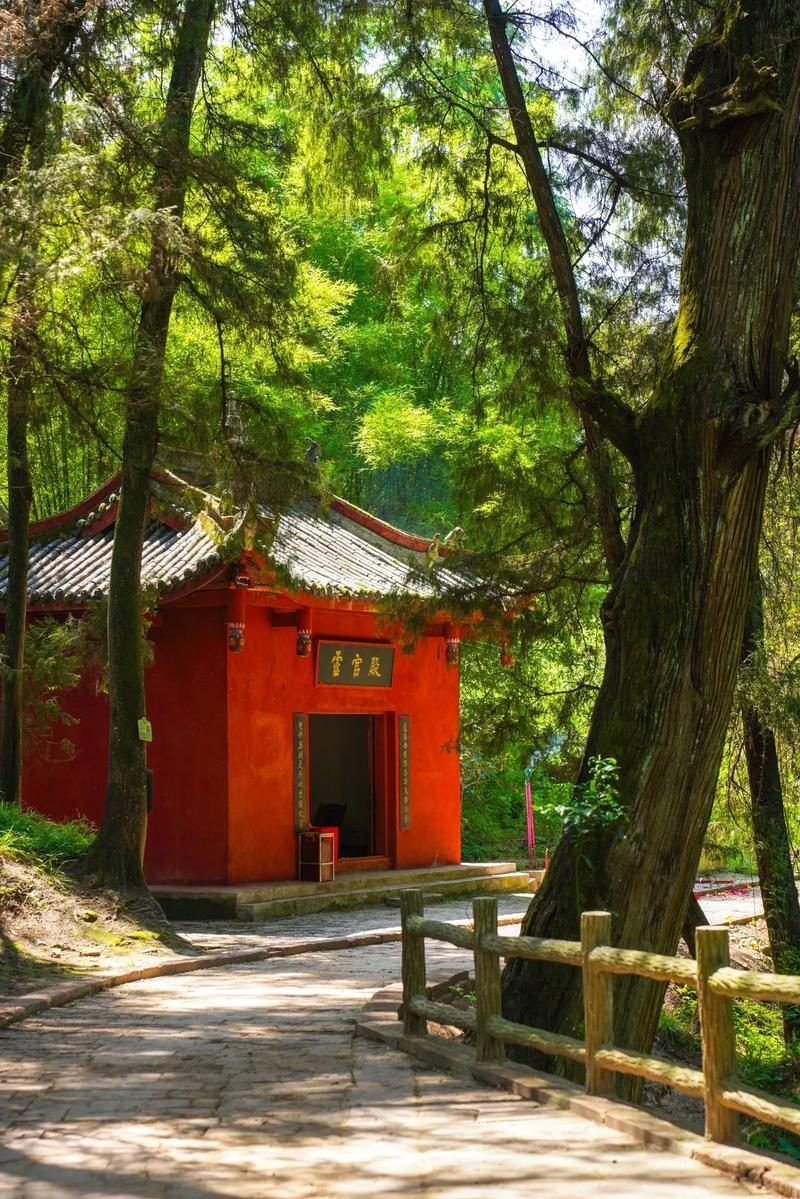
Landscape associated with Li Shangyin — Zizhou
Zizhou. The archive links “Night Rain, Sent North” to this station.
Born
813 · Henei, Huaizhou
Died
858 · Zhengzhou, Final Days
Era
Late Tang
Stations
12 recorded

Introduction

Who he was

Li Shangyin (c.813–858), courtesy name Yishan, was born at Henei in Huaizhou and spent his working life on provincial staffs during the Niu–Li factional feud. The archive describes him as a love poet of the Late Tang and lists “The Brocade Zither” and the “Untitled” poems among his works.

The archive records 12 stations for him, from Henei, Huaizhou in 813 to Zhengzhou, Final Days in 858. The list below gives each station in the archive’s own order, with its year and a one-sentence summary of the recorded event. Stations are places the archive links to him, not a continuous itinerary.

Journey stations

12 stations

Station names are given in the English form used by the archive. The station list, the notes and the poems are reproduced on this page from the archive’s record for 李商隐; each poem below gives the archive’s English rendering first and the Chinese original beneath it.

  1. 813

    In 813 (8th year of Yuanhe), Li Shangyin was born in Henei of Huaizhou; his father died when he was ten, plunging the family into poverty.

    Henei, Huaizhou (present-day Qinyang, Henan)

    I love you, lonely beauty planted in the courtyard, your fine leaves and light shade filling the seats with breeze While peach and plum bloom you are overlooked; after snow and frost you alone turn lush and green

    怜君孤秀植庭中,细叶轻阴满座风。桃李盛时虽寂寞,雪霜多后始青葱。

    English rendering as recorded in the archive. The Chinese lines above are the original text, not a translation by this site.(原文,非本站译文)

  2. 824

    In 824 (4th year of Changqing), the twelve-year-old escorted his father's coffin home to Zhengzhou, supporting the family by copying and hulling grain.

    Zhengzhou (present-day Zhengzhou, Henan)

    At eight she steals a look in the mirror, already able to paint her long eyebrows At ten she goes out to tread the green, lotus blossoms making her skirt

    八岁偷照镜,长眉已能画。十岁去踏青,芙蓉作裙衩。

    English rendering as recorded in the archive. The Chinese lines above are the original text, not a translation by this site.(原文,非本站译文)

  3. 829

    In 829 (3rd year of Dahe), the seventeen-year-old was discovered by the great statesman Linghu Chu and joined his staff at Yunzhou, learning parallel prose from the master himself.

    Yunzhou (present-day Dongping, Shandong)

    My humble worth never amounted to a hair's breadth; in vain I carried brush and inkstone to serve your strategy Since I received the robe handed down at midnight, I no longer envy Wang Xiang the gift of a precious sword

    微意何曾有一毫,空携笔砚奉龙韬。自蒙半夜传衣后,不羡王祥得佩刀。

    English rendering as recorded in the archive. The Chinese lines above are the original text, not a translation by this site.(原文,非本站译文)

  4. 837

    In 837 (2nd year of Kaicheng), after five failures, Li Shangyin passed the jinshi examination through Linghu Tao's recommendation; that winter his old patron died.

    Chang'an, Graduate (present-day Xi'an, Shaanxi)

    Each of us plucked a branch of the fragrant cassia this year; our journeys part before the spring is done River fish and northern geese will long remember each other, though Qin trees and Song clouds know nothing of it

    芳桂当年各一枝,行期未分压春期。江鱼朔雁长相忆,秦树嵩云自不知。

    English rendering as recorded in the archive. The Chinese lines above are the original text, not a translation by this site.(原文,非本站译文)

  5. 838

    In 838 (3rd year of Kaicheng), he joined Governor Wang Maoyuan's staff at Jingzhou and married his daughter — branded a traitor by the Linghu faction ever after.

    Jingzhou (present-day Jingchuan, Gansu)

    A hundred-foot tower on the soaring city wall; beyond the green willows, nothing but sandy isles Young Jia Yi shed his tears in vain; Wang Can in springtime wanders farther still

    迢递高城百尺楼,绿杨枝外尽汀洲。贾生年少虚垂泪,王粲春来更远游。

    English rendering as recorded in the archive. The Chinese lines above are the original text, not a translation by this site.(原文,非本站译文)

  6. 839

    In 839 (4th year of Kaicheng), he served as Defender of Hongnong County, then quit in anger when his leniency toward prisoners offended the governor.

    Hongnong (present-day Lingbao, Henan)

    Pressing the river and joining Mount Hua, its peaks tower; birds vanish and clouds return within a single gaze When Yang Pu moved the pass three hundred li, could it all have been for the sake of Mount Jing

    压河连华势孱颜,鸟没云归一望间。杨仆移关三百里,可能全是为荆山。

    English rendering as recorded in the archive. The Chinese lines above are the original text, not a translation by this site.(原文,非本站译文)

  7. 847

    In 847 (1st year of Dazhong), Li Shangyin followed the demoted governor Zheng Ya far south to Guilin as secretary, where after long rain he wrote "Heaven takes pity on the hidden grass".

    Guizhou (present-day Guilin, Guangxi)

    My deep dwelling overlooks the double walls; spring has gone, yet early summer stays fresh Heaven takes pity on the hidden grass; the world prizes the evening's late clear light

    深居俯夹城,春去夏犹清。天意怜幽草,人间重晚晴。

    English rendering as recorded in the archive. The Chinese lines above are the original text, not a translation by this site.(原文,非本站译文)

  8. 850

    In 850 (4th year of Dazhong), Governor Lu Hongzhi treated him with rare honor on the Xuzhou staff — a brief season of peace amid factional exile.

    Xuzhou (present-day Xuzhou, Jiangsu)

    Gunshi, my proud boy, so beautiful none can match him Not yet a year in his swaddling clothes, and already he knows six from seven

    衮师我骄儿,美秀乃无匹。文葆未周晬,固已知六七。

    English rendering as recorded in the archive. The Chinese lines above are the original text, not a translation by this site.(原文,非本站译文)

  9. 851

    In autumn 851 (5th year of Dazhong), newly widowed, Li Shangyin left his children and took a secretaryship in Zizhou, writing his immortal night-rain quatrain.

    Zizhou (present-day Santai, Sichuan)

    You ask when I shall return — there is no date; night rain in the Ba Mountains swells the autumn pools When shall we trim the candle together at the west window, and talk of this night of rain in the Ba Mountains

    君问归期未有期,巴山夜雨涨秋池。何当共剪西窗烛,却话巴山夜雨时。

    English rendering as recorded in the archive. The Chinese lines above are the original text, not a translation by this site.(原文,非本站译文)

  10. 855

    In 855 (9th year of Dazhong), sent to Chengdu on judicial business, he honored Du Fu's memory with a farewell poem deliberately written in the old master's manner.

    Chengdu (present-day Chengdu, Sichuan)

    Where in life is there not parting? On war-torn roads we grieve even a brief separation Beyond the Snowy Ranges the envoy has not returned; at Songzhou the palace armies still stand guard

    人生何处不离群,世路干戈惜暂分。雪岭未归天外使,松州犹驻殿前军。

    English rendering as recorded in the archive. The Chinese lines above are the original text, not a translation by this site.(原文,非本站译文)

  11. 856

    In 856 (10th year of Dazhong), he returned to the capital as a salt-iron commissioner, climbing the Leyou Plateau at dusk to watch the sunset over the dying empire.

    Chang'an, Return (present-day Xi'an, Shaanxi)

    Toward evening, ill at ease, I drive up to the ancient plateau The setting sun is infinitely fine — only, it is near dusk

    向晚意不适,驱车登古原。夕阳无限好,只是近黄昏。

    English rendering as recorded in the archive. The Chinese lines above are the original text, not a translation by this site.(原文,非本站译文)

  12. 858

    In late autumn 858 (12th year of Dazhong), Li Shangyin died at home in Zhengzhou, aged about forty-six; tradition names the "Brocade Zither" as his swan song.

    Zhengzhou, Final Days (present-day Zhengzhou, Henan)

    The brocade zither, for no reason, has fifty strings; each string, each peg, recalls a vanished year Zhuangzi at dawn dreamed he was a butterfly; Emperor Wang entrusted his spring heart to the cuckoo

    锦瑟无端五十弦,一弦一柱思华年。庄生晓梦迷蝴蝶,望帝春心托杜鹃。

    English rendering as recorded in the archive. The Chinese lines above are the original text, not a translation by this site.(原文,非本站译文)

Selected works

5 excerpts
01 · Selected poem

Night Rain, Sent North

君问归期未有期,巴山夜雨涨秋池
何当共剪西窗烛,却话巴山夜雨时

You ask when I shall return — there is no date; night rain in the Ba Mountains swells the autumn pools
When shall we trim the candle together at the west window, and talk of this night of rain in the Ba Mountains

Chinese original; English rendering as recorded in the site archive.
02 · Selected poem

The Leyou Plateau

向晚意不适,驱车登古原
夕阳无限好,只是近黄昏

Toward evening, ill at ease, I drive up to the ancient plateau
The setting sun is infinitely fine — only, it is near dusk

Chinese original; English rendering as recorded in the site archive.
03 · Selected poem

The Brocade Zither

锦瑟无端五十弦,一弦一柱思华年
庄生晓梦迷蝴蝶,望帝春心托杜鹃

The brocade zither, for no reason, has fifty strings; each string, each peg, recalls a vanished year
Zhuangzi at dawn dreamed he was a butterfly; Emperor Wang entrusted his spring heart to the cuckoo

Chinese original; English rendering as recorded in the site archive.
04 · Selected poem

Evening Clears

深居俯夹城,春去夏犹清
天意怜幽草,人间重晚晴

My deep dwelling overlooks the double walls; spring has gone, yet early summer stays fresh
Heaven takes pity on the hidden grass; the world prizes the evening's late clear light

Chinese original; English rendering as recorded in the site archive.
05 · Selected poem

The City Tower of Anding

迢递高城百尺楼,绿杨枝外尽汀洲
贾生年少虚垂泪,王粲春来更远游

A hundred-foot tower on the soaring city wall; beyond the green willows, nothing but sandy isles
Young Jia Yi shed his tears in vain; Wang Can in springtime wanders farther still

Chinese original; English rendering as recorded in the site archive.
How to read this page

Provenance

Poems are quoted, not translated here

Each excerpt gives the Chinese original with the archive’s own English rendering below it, reproduced as recorded. This profile does not supply a new verse translation of its own.

Stations are the archive’s record

The station list, years and summaries follow the site’s journey data. A place is listed because the archive connects him to it; the sequence is not presented as an unbroken route.

Names

Poet and place names use the archive’s English forms. Where two poets share an English name, Chinese characters are added to tell them apart.

This page already carries the archive’s English rendering of each station poem, with the Chinese original beside it. The Chinese-language detail page adds Li Shangyin’s life in full and further selected works.

Open the Chinese detail page

Continue reading

Elsewhere on this site

All 110 poets

The full English index of Tang, Song and Wei–Jin poets in the archive, grouped by dynasty and ordered by year of birth.

Du Mu

Tang · Late Tang · 11 recorded stations, from Wannian, Jingzhao (803) to Chang'an, Final Days (852).

Bai Juyi

Tang · Mid Tang · 12 recorded stations, from Xinzheng (772) to Luoyang (846).

闽ICP备2024036120号-5 | 闽公网安备35021102002463号