Songci.China · English
Poet profile · English edition

Du Mu

803–852

styled Muzhi · “Little Li–Du” with Li Shangyin · master of the quatrain

A working English profile of Du Mu, compiled from the Chinese poet archive on Songci.China: key dates, the recorded journey stations and selected excerpts.

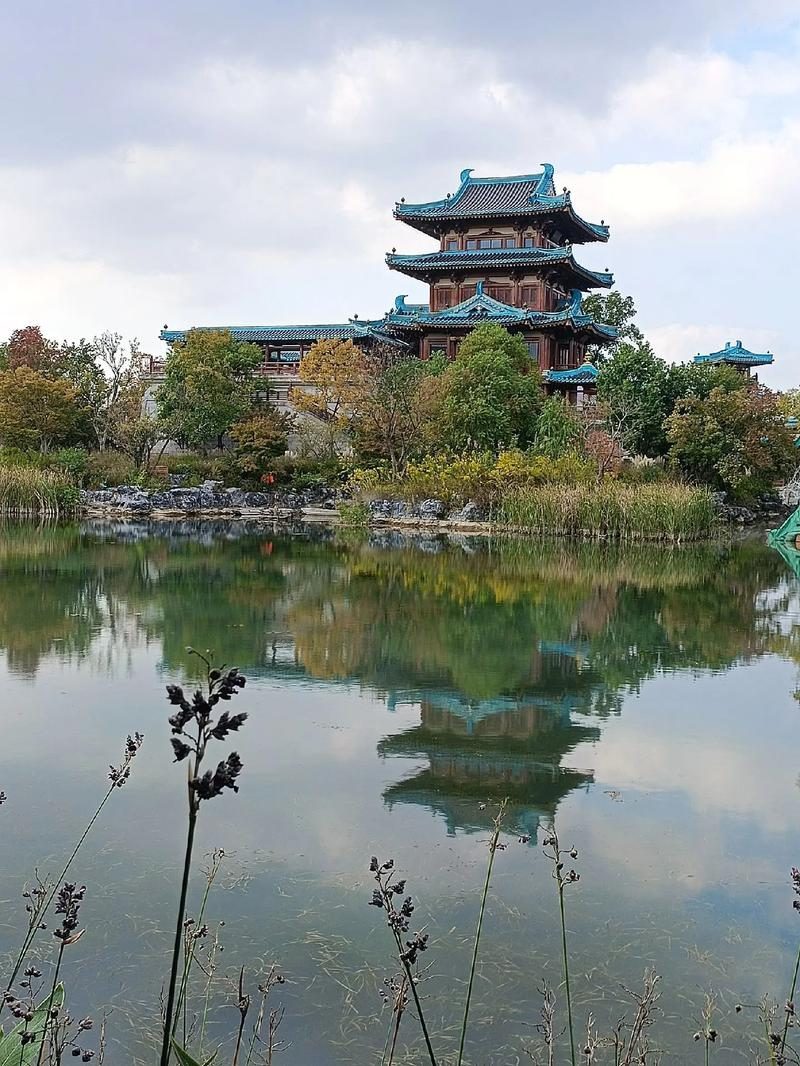
Landscape associated with Du Mu — Jinling
Jinling. The archive links “Moored on the Qinhuai” to this station.
Born
803 · Wannian, Jingzhao
Died
852 · Chang'an, Final Days
Era
Late Tang
Stations
11 recorded

Introduction

Who he was

Du Mu (803–852), courtesy name Muzhi, was born at Wannian in the capital region, grandson of the chancellor Du You. The archive records him as a Late Tang master of the quatrain and of the prose rhapsody, with “Epang Palace Rhapsody” among his works, and groups him with Li Shangyin as one of the “Little Li–Du”.

The archive records 11 stations for him, from Wannian, Jingzhao in 803 to Chang'an, Final Days in 852. The list below gives each station in the archive’s own order, with its year and a one-sentence summary of the recorded event. Stations are places the archive links to him, not a continuous itinerary.
Journey stations

11 stations

Station names are given in the English form used by the archive. The station list, the notes and the poems are reproduced on this page from the archive’s record for 杜牧; each poem below gives the archive’s English rendering first and the Chinese original beneath it.

  1. 803

    In 803 (19th year of Zhenyuan), Du Mu was born into the great Du clan of Chang'an; his grandfather Du You was chancellor and author of the Tongdian.

    Wannian, Jingzhao (present-day Xi'an, Shaanxi)

    The tower leans beyond the frosted trees; the mirror-sky holds not a wisp of cloud South Mountain and the autumn scene vie with each other in lofty grandeur

    楼倚霜树外,镜天无一毫。南山与秋色,气势两相高。

    English rendering as recorded in the archive. The Chinese lines above are the original text, not a translation by this site.(原文,非本站译文)

  2. 825

    In 825 (1st year of Baoli), the twenty-three-year-old Du Mu wrote his immortal "Epang Palace Rhapsody" in Chang'an, warning the pleasure-loving emperor.

    Chang'an, The Rhapsody (present-day Xi'an, Shaanxi)

    The Six Kings ended, the Four Seas were one; the mountains of Shu were stripped bare, and Epang arose Later men mourned it but did not take warning, so that men still later would mourn them in turn

    六王毕,四海一;蜀山兀,阿房出。后人哀之而不鉴之,亦使后人而复哀后人也。

    English rendering as recorded in the archive. The Chinese lines above are the original text, not a translation by this site.(原文,非本站译文)

  3. 828

    In 828 (2nd year of Dahe), Du Mu passed the jinshi examination at Luoyang and, the same year, the special decree examination — a dazzling double triumph.

    Luoyang, Graduate (present-day Luoyang, Henan)

    The list was posted in the Eastern Capital before the flowers opened; thirty-three of us gallop home Brew much wine, young men of Qin; we bring the spring colors through the pass

    东都放榜未花开,三十三人走马回。秦地少年多酿酒,已将春色入关来。

    English rendering as recorded in the archive. The Chinese lines above are the original text, not a translation by this site.(原文,非本站译文)

  4. 829

    In 829 (3rd year of Dahe), Du Mu joined Governor Shen Chuanshi's staff in Hongzhou, where he met the young singer Zhang Haohao.

    Hongzhou (present-day Nanchang, Jiangxi)

    You were the fairest of Yuzhang, just turned thirteen Kingfisher plumes like a phoenix tail, red leaves like a lotus about to bloom

    君为豫章姝,十三才有余。翠茁凤生尾,丹叶莲含跗。

    English rendering as recorded in the archive. The Chinese lines above are the original text, not a translation by this site.(原文,非本站译文)

  5. 833

    In 833 (7th year of Dahe), Du Mu joined Niu Sengru's staff in Yangzhou, the glittering pleasure-city where his legend as a poet-gallant was made.

    Yangzhou (present-day Yangzhou, Jiangsu)

    Slender and graceful, just past thirteen, a cardamom bud at the tip of its shoot in early spring Along the ten-li road of Yangzhou in the spring breeze, no pearl curtain rolled up reveals her equal

    娉娉袅袅十三余,豆蔻梢头二月初。春风十里扬州路,卷上珠帘总不如。

    English rendering as recorded in the archive. The Chinese lines above are the original text, not a translation by this site.(原文,非本站译文)

  6. 835

    In 835 (9th year of Dahe), leaving Yangzhou for the capital, Du Mu moored on the Qinhuai in Jinling, where singing girls still performed the tune that ruined a dynasty.

    Jinling (present-day Nanjing, Jiangsu)

    Mist veils the cold water, moonlight the sands; at night I moor on the Qinhuai near the wineshops The singing girls know nothing of a lost kingdom's grief; across the river they still sing "Flowers of the Rear Court"

    烟笼寒水月笼沙,夜泊秦淮近酒家。商女不知亡国恨,隔江犹唱后庭花。

    English rendering as recorded in the archive. The Chinese lines above are the original text, not a translation by this site.(原文,非本站译文)

  7. 837

    In 837 (2nd year of Kaicheng), Du Mu returned to Xuanzhou to nurse his ailing brother and joined the local staff, climbing the Kaiyuan Temple water-pavilion again.

    Xuanzhou (present-day Xuancheng, Anhui)

    The relics of Six Dynasties lie in grass stretching to the sky; the pale sky and idle clouds are the same now as of old Birds come and go within the mountain colors; men sing and weep amid the sound of waters

    六朝文物草连空,天淡云闲今古同。鸟去鸟来山色里,人歌人哭水声中。

    English rendering as recorded in the archive. The Chinese lines above are the original text, not a translation by this site.(原文,非本站译文)

  8. 842

    In 842 (2nd year of Huichang), Du Mu was sent out as Prefect of Huangzhou; beneath Red Cliff he picked up a broken halberd and wrote his famous quatrain.

    Huangzhou (present-day Huanggang, Hubei)

    A broken halberd sunk in sand, its iron not yet rusted away; I wash and polish it myself, reading the former dynasty Had the east wind not favored young Zhou, the Two Qiaos would have been locked deep in Bronze Bird Tower

    折戟沉沙铁未销,自将磨洗认前朝。东风不与周郎便,铜雀春深锁二乔。

    English rendering as recorded in the archive. The Chinese lines above are the original text, not a translation by this site.(原文,非本站译文)

  9. 845

    In 845 (5th year of Huichang), Du Mu became Prefect of Chizhou; on the Double Ninth he climbed Mount Qi with his friend, drinking above the Yangtze.

    Chizhou (present-day Chizhou, Anhui)

    The river holds autumn's reflections as the first geese fly; with my guest and a wine-pot I climb the green heights In this dusty world a hearty laugh is hard to find; I must go home with chrysanthemums crowning my head

    江涵秋影雁初飞,与客携壶上翠微。尘世难逢开口笑,菊花须插满头归。

    English rendering as recorded in the archive. The Chinese lines above are the original text, not a translation by this site.(原文,非本站译文)

  10. 850

    In 850 (4th year of Dazhong), Du Mu obtained his long-sought post as Prefect of Huzhou, boating on the Tiaoxi streams and revisiting old haunts.

    Huzhou (present-day Huzhou, Zhejiang)

    I myself came too late in search of spring; no need to grieve and blame the flowering season The wild wind has stripped the deep-red blooms; green leaves make shade and fruits fill the branches

    自是寻春去校迟,不须惆怅怨芳时。狂风落尽深红色,绿叶成阴子满枝。

    English rendering as recorded in the archive. The Chinese lines above are the original text, not a translation by this site.(原文,非本站译文)

  11. 852

    In 852 (6th year of Dazhong), Du Mu died in Chang'an as Secretariat Drafter at fifty, having burned most of his manuscripts at his Fanchuan villa.

    Chang'an, Final Days (present-day Xi'an, Shaanxi)

    A silver candle, autumn light, a cold painted screen; with a light silk fan she swats at drifting fireflies The palace steps in the night are cool as water; lying back she watches the Cowherd and Weaving Girl stars

    银烛秋光冷画屏,轻罗小扇扑流萤。天阶夜色凉如水,卧看牵牛织女星。

    English rendering as recorded in the archive. The Chinese lines above are the original text, not a translation by this site.(原文,非本站译文)

Selected works

5 excerpts
01 · Selected poem

Moored on the Qinhuai

烟笼寒水月笼沙,夜泊秦淮近酒家
商女不知亡国恨,隔江犹唱后庭花

Mist veils the cold water, moonlight the sands; at night I moor on the Qinhuai near the wineshops
The singing girls know nothing of a lost kingdom's grief; across the river they still sing "Flowers of the Rear Court"

Chinese original; English rendering as recorded in the site archive.
02 · Selected poem

Red Cliff

折戟沉沙铁未销,自将磨洗认前朝
东风不与周郎便,铜雀春深锁二乔

A broken halberd sunk in sand, its iron not yet rusted away; I wash and polish it myself, reading the former dynasty
Had the east wind not favored young Zhou, the Two Qiaos would have been locked deep in Bronze Bird Tower

Chinese original; English rendering as recorded in the site archive.
03 · Selected poem

Autumn Night

银烛秋光冷画屏,轻罗小扇扑流萤
天阶夜色凉如水,卧看牵牛织女星

A silver candle, autumn light, a cold painted screen; with a light silk fan she swats at drifting fireflies
The palace steps in the night are cool as water; lying back she watches the Cowherd and Weaving Girl stars

Chinese original; English rendering as recorded in the site archive.
04 · Selected poem

Autumn View in Chang'an

楼倚霜树外,镜天无一毫
南山与秋色,气势两相高

The tower leans beyond the frosted trees; the mirror-sky holds not a wisp of cloud
South Mountain and the autumn scene vie with each other in lofty grandeur

Chinese original; English rendering as recorded in the site archive.
05 · Selected poem

Epang Palace Rhapsody (Excerpt)

六王毕,四海一;蜀山兀,阿房出
后人哀之而不鉴之,亦使后人而复哀后人也

The Six Kings ended, the Four Seas were one; the mountains of Shu were stripped bare, and Epang arose
Later men mourned it but did not take warning, so that men still later would mourn them in turn

Chinese original; English rendering as recorded in the site archive.

How to read this page

Provenance

Poems are quoted, not translated here

Each excerpt gives the Chinese original with the archive’s own English rendering below it, reproduced as recorded. This profile does not supply a new verse translation of its own.

Stations are the archive’s record

The station list, years and summaries follow the site’s journey data. A place is listed because the archive connects him to it; the sequence is not presented as an unbroken route.

Names

Poet and place names use the archive’s English forms. Where two poets share an English name, Chinese characters are added to tell them apart.

This page already carries the archive’s English rendering of each station poem, with the Chinese original beside it. The Chinese-language detail page adds Du Mu’s life in full and further selected works.

Open the Chinese detail page

Continue reading

Elsewhere on this site

All 110 poets

The full English index of Tang, Song and Wei–Jin poets in the archive, grouped by dynasty and ordered by year of birth.

Du Mu on the Chinese site

The Chinese-language detail page this profile summarises, with the station notes and poems in full.

Li Shangyin

Tang · Late Tang · 12 recorded stations, from Henei, Huaizhou (813) to Zhengzhou, Final Days (858).

Wang Wei

Tang · High Tang · 13 recorded stations, from Puzhou (701) to Wangchuan (761).

闽ICP备2024036120号-5 | 闽公网安备35021102002463号