Songci.China · English
Poet profile · English edition

Li Qingzhao

1084–1155

styled Yi’an Jushi · ci poet of the Wanyue school

A working English profile of Li Qingzhao, compiled from the Chinese poet archive on Songci.China: key dates, the recorded journey stations and selected excerpts.

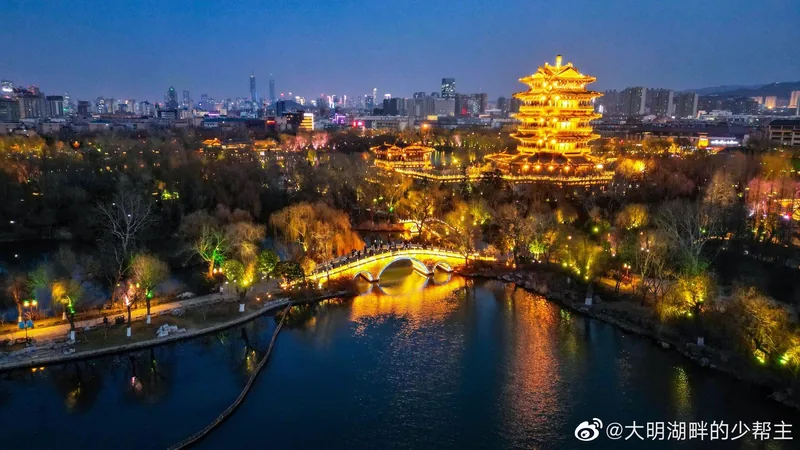
Landscape associated with Li Qingzhao — Jinan
Jinan. The archive links “Rumeng Ling (Like a Dream)·Oft I Remember the Pavilion at Dusk” to this station.
Born
1084 · Jinan
Died
1155 · Lin'an
Era
Northern-Southern Song Transition
Stations
11 recorded

Introduction

Who she was

Li Qingzhao (1084–1155), known by the pseudonym Yi’an Jushi, was born at Jinan in Shandong into a scholarly family. The archive records her as a ci poet of the Wanyue (graceful restraint) school whose work changed after the Jingkang catastrophe and the flight south, and notes her prose “Epilogue to Records of Metal and Stone”.

The archive records 11 stations for her, from Jinan in 1084 to Lin'an in 1155. The list below gives each station in the archive’s own order, with its year and a one-sentence summary of the recorded event. Stations are places the archive links to her, not a continuous itinerary.

Journey stations

11 stations

Station names are given in the English form used by the archive. The station list, the notes and the poems are reproduced on this page from the archive’s record for 李清照; each poem below gives the archive’s English rendering first and the Chinese original beneath it.

  1. 1084

    In the seventh year of Yuanfeng (1084) during Emperor Shenzong's reign, Li Qingzhao was born into a scholarly family in Zhangqiu (some say Licheng), Jinan.

    Jinan (present-day Jinan, Shandong)

    Oft I remember the pavilion by the brook at dusk; too drunk with joy to know the way back. The revel done, we rowed home late, and strayed deep among the lotus blooms. Push through, push through — and startled a whole shoal of gulls and herons into flight.

    常记溪亭日暮,沉醉不知归路。兴尽晚回舟,误入藕花深处。争渡,争渡,惊起一滩鸥鹭。

    English rendering as recorded in the archive. The Chinese lines above are the original text, not a translation by this site.(原文,非本站译文)

  2. 1101

    In the first year of Jianzhong Jingguo (1101) during Emperor Huizong's reign, the eighteen-year-old Li Qingzhao, then living in the capital Bianjing with her father, married Zhao Mingcheng, a twenty-one-year-old Imperial University student and son of the chancellor Zhao Tingzhi.

    Bianjing (present-day Kaifeng, Henan)

    On the flower-seller's pole, I bought a spray of spring about to bloom. Dew-kissed and softly blushed, it still bears the traces of dawn's rosy mist. Yet I fear my love might think my face less lovely than the flower's — so I tilt it in my cloud-black hair, just to make him judge us side by side.

    卖花担上,买得一枝春欲放。泪染轻匀,犹带彤霞晓露痕。怕郎猜道,奴面不如花面好。云鬓斜簪,徒要教郎比并看。

    English rendering as recorded in the archive. The Chinese lines above are the original text, not a translation by this site.(原文,非本站译文)

  3. 1103

    In the second year of Chongning (1103) during Emperor Huizong's reign, factional strife intensified: Li Gefei was blacklisted in the 'Yuanyou Partisan Register' and dismissed from the capital, and Li Qingzhao's verse plea to her father-in-law Zhao Tingzhi failed.

    Bianjing (present-day Kaifeng, Henan)

    Thin mist and heavy clouds sadden the long day; incense burns away in the gilded beast. Again the Double Ninth Festival; on my jade pillow, behind gauze curtains, midnight's chill first seeps through. At dusk I drink by the eastern hedge, faint fragrance filling my sleeves. Say not the soul is unconsumed — when the west wind rolls up the curtain, I am thinner than the yellow chrysanthemums.

    薄雾浓云愁永昼,瑞脑销金兽。佳节又重阳,玉枕纱厨,半夜凉初透。东篱把酒黄昏后,有暗香盈袖。莫道不销魂,帘卷西风,人比黄花瘦。

    English rendering as recorded in the archive. The Chinese lines above are the original text, not a translation by this site.(原文,非本站译文)

  4. 1107

    In the first year of Daguan (1107) during Emperor Huizong's reign, after Zhao Tingzhi's death the Zhao family was framed by Cai Jing and Zhao Mingcheng stripped of office; the couple withdrew to his native Qingzhou for a decade of seclusion.

    Qingzhou (present-day Qingzhou, Shandong)

    Last night the rain was sparse but the wind was fierce; deep sleep did not dispel the lingering wine. I asked the maid who rolled up the curtains, and she answered, 'The crabapples are as before.' Do you not know, do you not know? The green should be plump and the red grown thin.

    昨夜雨疏风骤,浓睡不消残酒。试问卷帘人,却道海棠依旧。知否,知否?应是绿肥红瘦。

    English rendering as recorded in the archive. The Chinese lines above are the original text, not a translation by this site.(原文,非本站译文)

  5. 1121

    In the third year of Xuanhe (1121) during Emperor Huizong's reign, Zhao Mingcheng was appointed prefect of Laizhou (in present-day Shandong), and Li Qingzhao went with him.

    Laizhou (present-day Laizhou, Shandong)

    The red lotus fades, the jade mat feels autumn's chill; lightly loosening my silk robe, I board the orchid boat alone. Who sends me a brocade letter from beyond the clouds? When the wild geese return, moonlight fills the western tower. Flowers drift and fall, waters flow on of themselves; one longing, idle sorrow in two places. This feeling nothing can dispel — scarce gone from my brows, it rises to my heart.

    红藕香残玉簟秋,轻解罗裳,独上兰舟。云中谁寄锦书来?雁字回时,月满西楼。花自飘零水自流,一种相思,两处闲愁。此情无计可消除,才下眉头,却上心头。

    English rendering as recorded in the archive. The Chinese lines above are the original text, not a translation by this site.(原文,非本站译文)

  6. 1129

    In the third year of Jianyan (1129) during Emperor Gaozong's reign, Zhao Mingcheng, recalled from Jiangning and newly appointed prefect of Huzhou, fell ill on his way to an audience at Jiankang and died there on the eighteenth of the eighth month, aged forty-nine.

    Jiankang (present-day Nanjing, Jiangsu)

    In life, be a hero among men; in death, a champion among ghosts. To this day I think of Xiang Yu, who would not cross back east of the river in defeat.

    生当作人杰,死亦为鬼雄。至今思项羽,不肯过江东。

    English rendering as recorded in the archive. The Chinese lines above are the original text, not a translation by this site.(原文,非本站译文)

  7. 1130

    In the fourth year of Jianyan (1130) during Emperor Gaozong's reign, Jin troops swept into eastern Zhejiang, and Li Qingzhao, following the fugitive court with her remaining books, reached Yuezhou (present-day Shaoxing).

    Yuezhou (present-day Shaoxing, Zhejiang)

    Waking at dawn on the rattan bed beneath the paper curtain — endless, joyless thoughts words cannot tell. The agarwood sputters, the jade censer cools, keeping my water-like mood company. The flute plays 'Three Variations on Plum Blossoms'; the plum's heart breaks open — how much spring feeling! A light breeze and sparse rain rustle drearily, urging down a thousand lines of tears. The flute-player is gone, the jade tower empty; heartbroken, with whom can I lean on the railing? I break off a spray of plum blossom, but between heaven and earth there is no one to send it to.

    藤床纸帐朝眠起,说不尽、无佳思。沉香断续玉炉寒,伴我情怀如水。笛声三弄,梅心惊破,多少春情意。小风疏雨萧萧地,又催下、千行泪。吹箫人去玉楼空,肠断与谁同倚?一枝折得,人间天上,没个人堪寄。

    English rendering as recorded in the archive. The Chinese lines above are the original text, not a translation by this site.(原文,非本站译文)

  8. 1130

    In the fourth year of Jianyan (1130) during Emperor Gaozong's reign, with Jin cavalry in hot pursuit of the emperor, Li Qingzhao abandoned her bedding, fled through Huangyan, hired a boat and took to the sea, following the imperial flotilla along the coast to Zhang'an in Taizhou (present-day Linhai).

    Taizhou (present-day Linhai, Zhejiang)

    The sky merges with cloud-waves and morning mist; the Milky Way seems to turn as a thousand sails dance. As if my dreaming soul had returned to the abode of the Lord of Heaven, I hear His words, asking kindly where I wish to go. I reply: the road is long, and I sigh that the day grows late; for all my study of poetry, I have in vain made startling lines. Ninety thousand li the wind bears the roc aloft — O wind, do not cease! Blow my leaf-light boat to the Three Immortal Isles!

    天接云涛连晓雾,星河欲转千帆舞。仿佛梦魂归帝所,闻天语,殷勤问我归何处。我报路长嗟日暮,学诗谩有惊人句。九万里风鹏正举,风休住,蓬舟吹取三山去!

    English rendering as recorded in the archive. The Chinese lines above are the original text, not a translation by this site.(原文,非本站译文)

  9. 1132

    In the second year of Shaoxing (1132) during Emperor Gaozong's reign, Li Qingzhao finally reached Lin'an (present-day Hangzhou) and, sick and destitute, remarried one Zhang Ruzhou.

    Lin'an (present-day Hangzhou, Zhejiang)

    Rising from illness, the hair at my temples has thinned and whitened; lying in bed I watch the waning moon climb the window gauze. I simmer cardamom shoots for a plain infusion, forgoing the ritual of whisked tea. Poetry books at my pillow are best in idleness; the scene before my gate turns lovely when rain comes. All day long it quietly charms me — the sweet osmanthus in bloom.

    病起萧萧两鬓华,卧看残月上窗纱。豆蔻连梢煎熟水,莫分茶。枕上诗书闲处好,门前风景雨来佳。终日向人多酝藉,木犀花。

    English rendering as recorded in the archive. The Chinese lines above are the original text, not a translation by this site.(原文,非本站译文)

  10. 1134

    In the fourth year of Shaoxing (1134) during Emperor Gaozong's reign, as Jin and puppet-Qi forces pressed south, Li Qingzhao fled once more, ascending the Fuchun River to shelter in Jinhua (present-day Zhejiang).

    Jinhua (present-day Jinhua, Zhejiang)

    The wind has stilled; the dust is fragrant, the flowers all gone; late in the day, too weary to comb my hair. Things remain, but those I loved are gone — everything is over; before I can speak, my tears begin to flow. They say spring is still fair at Twin Streams, and I think of floating a light boat there. Yet I fear the grasshopper-light boats of Twin Streams could not carry such a weight of sorrow.

    风住尘香花已尽,日晚倦梳头。物是人非事事休,欲语泪先流。闻说双溪春尚好,也拟泛轻舟。只恐双溪舴艋舟,载不动许多愁。

    English rendering as recorded in the archive. The Chinese lines above are the original text, not a translation by this site.(原文,非本站译文)

  11. 1155

    In the twenty-fifth year of Shaoxing (1155) during Emperor Gaozong's reign, Li Qingzhao died in solitude at Lin'an (present-day Hangzhou), aged about seventy-two.

    Lin'an (present-day Hangzhou, Zhejiang)

    Seeking, searching, cold and desolate, wretched, mournful, and full of pain. When the weather turns warm then cold again, it is hardest of all to rest. Two or three cups of thin wine — how can they ward off the fierce evening wind? Wild geese pass overhead; it breaks my heart, for they are old acquaintances. Yellow chrysanthemums pile up on the ground, withered and ruined; who would pick them now? Keeping vigil by the window, how can I bear the loneliness until dark? The parasol tree, and moreover the fine rain, drip-drop, drip-drop until dusk. In such a state, how could the single word 'sorrow' ever suffice!

    寻寻觅觅,冷冷清清,凄凄惨惨戚戚。乍暖还寒时候,最难将息。三杯两盏淡酒,怎敌他、晚来风急?雁过也,正伤心,却是旧时相识。满地黄花堆积,憔悴损,如今有谁堪摘?守着窗儿,独自怎生得黑?梧桐更兼细雨,到黄昏、点点滴滴。这次第,怎一个愁字了得!

    English rendering as recorded in the archive. The Chinese lines above are the original text, not a translation by this site.(原文,非本站译文)

Selected works

5 excerpts
01 · Selected poem

Rumeng Ling (Like a Dream)·Oft I Remember the Pavilion at Dusk

常记溪亭日暮,沉醉不知归路
兴尽晚回舟,误入藕花深处
争渡,争渡,惊起一滩鸥鹭

Oft I remember the pavilion by the brook at dusk; too drunk with joy to know the way back
The revel done, we rowed home late, and strayed deep among the lotus blooms
Push through, push through — and startled a whole shoal of gulls and herons

Chinese original; English rendering as recorded in the site archive.
02 · Selected poem

Zuihuayin (Drunk in Flower Shade)·Thin Mist and Heavy Clouds

薄雾浓云愁永昼,瑞脑销金兽
佳节又重阳,玉枕纱厨,半夜凉初透
东篱把酒黄昏后,有暗香盈袖
莫道不销魂,帘卷西风,人比黄花瘦

Thin mist and heavy clouds sadden the long day; incense burns out in the golden beast
Again the Double Ninth; on the jade pillow behind gauze curtains, midnight chill first seeps through
Drinking by the eastern hedge after dusk, a faint fragrance fills my sleeves
Say not the soul is unconsumed — the west wind rolls the curtain; I am thinner than the yellow blooms

Chinese original; English rendering as recorded in the site archive.
03 · Selected poem

Yijianmei (A Twig of Plum Blossoms)·Autumn on the Jade Mat

红藕香残玉簟秋,轻解罗裳,独上兰舟
云中谁寄锦书来?雁字回时,月满西楼
花自飘零水自流,一种相思,两处闲愁
此情无计可消除,才下眉头,却上心头

Red lotuses fade, the jade mat feels autumn; loosening my silk robe, I board the orchid boat alone
Who sends a brocade letter from the clouds? When the geese return, moonlight fills the western tower
Flowers drift and waters flow on their own; one longing, idle sorrow in two places
This feeling nothing can dispel — scarce down from my brows, it rises to my heart

Chinese original; English rendering as recorded in the site archive.
04 · Selected poem

Wuling Chun (Wuling Spring)·Late Spring

风住尘香花已尽,日晚倦梳头
物是人非事事休,欲语泪先流
闻说双溪春尚好,也拟泛轻舟
只恐双溪舴艋舟,载不动许多愁

The wind has stopped, the dust is fragrant, the flowers all gone; late in the day, too weary to comb my hair
Things remain but the people are gone — all is over; before I speak, tears flow first
They say spring is still fair at Twin Streams; I too would float a light boat there
Yet I fear the grasshopper boats of Twin Streams could not carry so much sorrow

Chinese original; English rendering as recorded in the site archive.
05 · Selected poem

Shengshengman (Slow Slow Song)·Seeking, Searching

寻寻觅觅,冷冷清清,凄凄惨惨戚戚
乍暖还寒时候,最难将息
三杯两盏淡酒,怎敌他、晚来风急
梧桐更兼细雨,到黄昏、点点滴滴

Seeking, searching; cold and desolate; wretched, mournful, and full of pain
When it turns warm then cold again, it is hardest of all to rest
Two or three cups of thin wine — how can they fend off the fierce evening wind
The parasol tree, and moreover the fine rain, drips on until dusk

Chinese original; English rendering as recorded in the site archive.
How to read this page

Provenance

Poems are quoted, not translated here

Each excerpt gives the Chinese original with the archive’s own English rendering below it, reproduced as recorded. This profile does not supply a new verse translation of its own.

Stations are the archive’s record

The station list, years and summaries follow the site’s journey data. A place is listed because the archive connects her to it; the sequence is not presented as an unbroken route.

Names

Poet and place names use the archive’s English forms. Where two poets share an English name, Chinese characters are added to tell them apart.

This page already carries the archive’s English rendering of each station poem, with the Chinese original beside it. The Chinese-language detail page adds Li Qingzhao’s life in full and further selected works.

Open the Chinese detail page

Continue reading

Elsewhere on this site

All 110 poets

The full English index of Tang, Song and Wei–Jin poets in the archive, grouped by dynasty and ordered by year of birth.

Lu You

Song · Southern Song · 11 recorded stations, from Shaoxing (1125) to Shaoxing (1210).

Xin Qiji

Song · Southern Song · 14 recorded stations, from Licheng, Jinan (1140) to Qianshan (1207).

闽ICP备2024036120号-5 | 闽公网安备35021102002463号