Songci.China · English
Poet profile · English edition

Xin Qiji

1140–1207

styled You’an · known as Jiaxuan · “Su–Xin” with Su Shi

A working English profile of Xin Qiji, compiled from the Chinese poet archive on Songci.China: key dates, the recorded journey stations and selected excerpts.

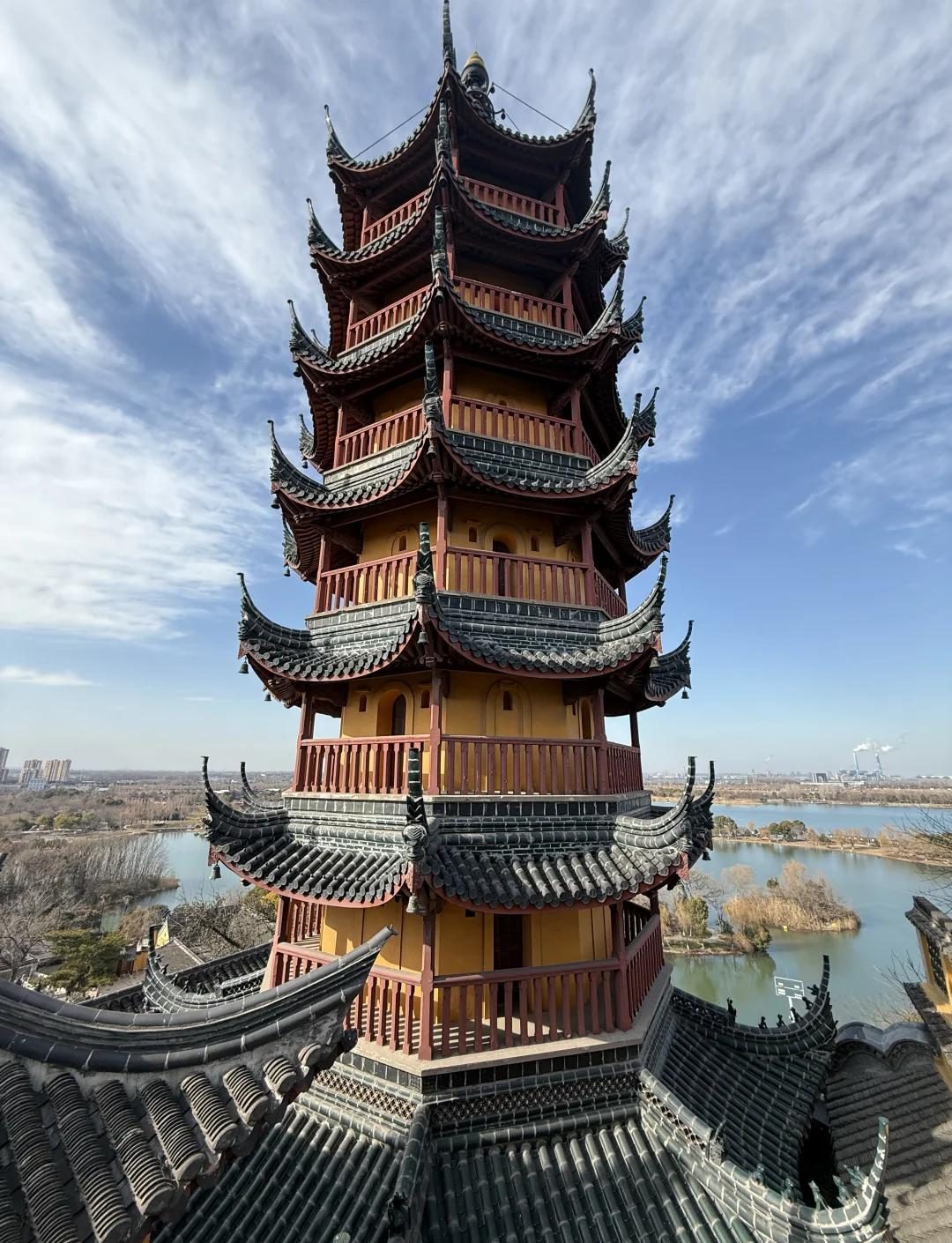
Landscape associated with Xin Qiji — Jingkou
Jingkou. The archive links “Joy of Eternal Meeting·Reminiscing at Beigu Pavilion in Jingkou” to this station.
Born
1140 · Licheng, Jinan
Died
1207 · Qianshan
Era
Southern Song
Stations
14 recorded

Introduction

Who he was

Xin Qiji (1140–1207), courtesy name You’an and known as Jiaxuan, was born at Licheng in Jinan. The archive records a Southern Song general and ci poet who raised troops against the Jin in his youth and was repeatedly sidelined for urging the recovery of the Central Plains; with Su Shi he is grouped as “Su–Xin”.

The archive records 14 stations for him, from Licheng, Jinan in 1140 to Qianshan in 1207. The list below gives each station in the archive’s own order, with its year and a one-sentence summary of the recorded event. Stations are places the archive links to him, not a continuous itinerary.

Journey stations

14 stations

Station names are given in the English form used by the archive. The station list, the notes and the poems are reproduced on this page from the archive’s record for 辛弃疾; each poem below gives the archive’s English rendering first and the Chinese original beneath it.

  1. 1140

    In the tenth year of Shaoxing (1140) during Emperor Gaozong's reign, Xin Qiji was born in Sifengzha, Licheng, Jinan.

    Licheng, Jinan (present-day Jinan, Shandong)

    Drunk, I light the lamp to examine my sword; in dreams I return to camps where bugles blow. Eight hundred li of roasted meat shared among my men, fifty strings playing frontier melodies. Autumn troops inspection on the battlefield.

    醉里挑灯看剑,梦回吹角连营。八百里分麾下炙,五十弦翻塞外声。沙场秋点兵。

    English rendering as recorded in the archive. The Chinese lines above are the original text, not a translation by this site.(原文,非本站译文)

  2. 1161

    In the thirty-first year of Shaoxing (1161) during Emperor Gaozong's reign, the Jin emperor Wanyan Liang launched a massive southern invasion, and heroes across the Central Plains rose in resistance.

    Tai'an (present-day Tai'an, Shandong)

    In my prime, banners led ten thousand men; brocade-armored riders first crossed the river. Yan soldiers adjusted their silver quivers at night; Han arrows flew like golden servants by day. Recalling the past, I sigh at who I am now; spring breeze cannot dye my white whiskers black. My ten-thousand-word plan to pacify the barbarians has been traded for a neighbor's book on planting trees.

    壮岁旌旗拥万夫,锦襜突骑渡江初。燕兵夜娖银胡䩮,汉箭朝飞金仆姑。追往事,叹今吾,春风不染白髭须。却将万字平戎策,换得东家种树书。

    English rendering as recorded in the archive. The Chinese lines above are the original text, not a translation by this site.(原文,非本站译文)

  3. 1162

    In the thirty-second year of Shaoxing (1162) during Emperor Gaozong's reign, Xin Qiji was sent south by Geng Jing to liaise with the Song court.

    Jiankang (present-day Nanjing, Jiangsu)

    Spring has returned—see on the beauty's head the fluttering spring banners. Yet aimless wind and rain refuse to sweep away the lingering chill. The swallows of yesteryear must dream tonight of the western garden. I have not prepared tangerines to offer with wine, nor passed around plates piled with green chives.

    春已归来,看美人头上,袅袅春幡。无端风雨,未肯收尽余寒。年时燕子,料今宵梦到西园。浑未办、黄柑荐酒,更传青韭堆盘。

    English rendering as recorded in the archive. The Chinese lines above are the original text, not a translation by this site.(原文,非本站译文)

  4. 1165

    In the first year of Qiandao (1165) during Emperor Xiaozong's reign, Xin Qiji served as registrar of the Court of Imperial Granaries in Lin'an and presented 'Ten Essays on Celery' (Meiqin Shilun) to the court, analyzing the Song-Jin military situation and proposing strategies such as troop farming colonies…

    Lin'an (present-day Hangzhou, Zhejiang)

    The east wind at night blooms a thousand trees of flowers, and blows down stars like rain. Fine steeds and carved carriages perfume the road. Moth ornaments, snow-willow and golden threads—laughing, chatting, they pass with subtle fragrance. Among the crowd I searched for her a thousand times; suddenly turning my head, there she was, where the lanterns were dim.

    东风夜放花千树,更吹落、星如雨。宝马雕车香满路。蛾儿雪柳黄金缕,笑语盈盈暗香去。众里寻他千百度,蓦然回首,那人却在,灯火阑珊处。

    English rendering as recorded in the archive. The Chinese lines above are the original text, not a translation by this site.(原文,非本站译文)

  5. 1170

    In the sixth year of Qiandao (1170) during Emperor Xiaozong's reign, Xin Qiji served as vice-prefect of Jiankang, assisting Governor Shi Zhengzhi and repeatedly offering recovery strategies that went unheeded.

    Jiankang (present-day Nanjing, Jiangsu)

    A thousand li of clear autumn under Chu skies; water follows the sky, autumn without end. Distant peaks gazed upon offer sorrow and hatred, like jade hairpins and spiral buns. On the tower in the setting sun, amid the cries of a lone wild goose, a wanderer of Jiangnan. I examine my Wu blade, pound every railing—no one understands the meaning of my climb.

    楚天千里清秋,水随天去秋无际。遥岑远目,献愁供恨,玉簪螺髻。落日楼头,断鸿声里,江南游子。把吴钩看了,栏杆拍遍,无人会,登临意。

    English rendering as recorded in the archive. The Chinese lines above are the original text, not a translation by this site.(原文,非本站译文)

  6. 1172

    In the eighth year of Qiandao (1172) during Emperor Xiaozong's reign, Xin Qiji was appointed Prefect of Chuzhou.

    Chuzhou (present-day Chuzhou, Anhui)

    Dust rises in ranks on the road; travelers meeting all say a storied tower has magically appeared. They point at the high eaves where waves of clouds surge and float. This year peace spans ten thousand li; along the Huai a thousand riders no longer face autumn maneuvers. Leaning on the railing I gaze—there is fine aura in the southeast, and the divine land in the northwest.

    征埃成阵,行客相逢,都道幻出层楼。指点檐牙高处,浪拥云浮。今年太平万里,罢长淮、千骑临秋。凭栏望,有东南佳气,西北神州。

    English rendering as recorded in the archive. The Chinese lines above are the original text, not a translation by this site.(原文,非本站译文)

  7. 1175

    In the second year of Chunxi (1175) during Emperor Xiaozong's reign, Xin Qiji served as Judicial Commissioner of Jiangxi, commanding various armies against the tea-merchant rebels led by Lai Wenzheng.

    Ganzhou (present-day Ganzhou, Jiangxi)

    Below Yugu Terrace flows the clear river water—how many travelers' tears are mingled within! Gazing northwest toward Chang'an, alas, countless mountains block the view. Green mountains cannot bar its way; after all it flows eastward. On the river at dusk, sorrow fills me; deep in the mountains I hear the partridge's cry.

    郁孤台下清江水,中间多少行人泪。西北望长安,可怜无数山。青山遮不住,毕竟东流去。江晚正愁予,山深闻鹧鸪。

    English rendering as recorded in the archive. The Chinese lines above are the original text, not a translation by this site.(原文,非本站译文)

  8. 1180

    In the seventh year of Chunxi (1180) during Emperor Xiaozong's reign, Xin Qiji was appointed Pacification Commissioner of Hunan and Prefect of Tanzhou (Changsha).

    Changsha (present-day Changsha, Hunan)

    How many more storms can it endure? Hastily spring departs again. Cherishing spring, I always fear the flowers bloom too early—how much more so with countless fallen petals. Spring, stay awhile! They say fragrant grass at the sky's edge blocks your way home. Spring makes no answer to my reproach—only the diligent spider webs under painted eaves all day entangle the flying catkins.

    更能消、几番风雨,匆匆春又归去。惜春长怕花开早,何况落红无数。春且住,见说道、天涯芳草无归路。怨春不语,算只有殷勤、画檐蛛网,尽日惹飞絮。

    English rendering as recorded in the archive. The Chinese lines above are the original text, not a translation by this site.(原文,非本站译文)

  9. 1181

    In the eighth year of Chunxi (1181) during Emperor Xiaozong's reign, Xin Qiji was transferred to Pacification Commissioner of Jiangxi and Prefect of Longxing Prefecture (Nanchang).

    Nanchang (present-day Nanchang, Jiangxi)

    The three paths are newly made, yet cranes complain and gibbons cry in alarm—Jiaxuan has not come. I promised myself to the cloudy mountains, to the spirit of my life; but capped officials laugh at me, hopelessly mired in dust. When weary one should return; early leisure is precious—surely not for water-mallow soup and perch slices. On the autumn river, watch the startled geese shun the bowstring, the frightened boat turn back from wild waves.

    三径初成,鹤怨猿惊,稼轩未来。甚云山自许,平生意气;衣冠人笑,抵死尘埃。意倦须还,身闲贵早,岂为莼羹鲈脍哉。秋江上,看惊弦雁避,骇浪船回。

    English rendering as recorded in the archive. The Chinese lines above are the original text, not a translation by this site.(原文,非本站译文)

  10. 1182

    In the ninth year of Chunxi (1182) during Emperor Xiaozong's reign, after dismissal Xin Qiji retired to his new residence at Daihu, Shangrao.

    Daihu, Shangrao (present-day Shangrao, Jiangxi)

    Under the bright moon, startled magpies leave their branch; in the midnight breeze, cicadas sing. Amid the fragrance of rice blossoms we speak of a plentiful year, listening to a chorus of frogs. Seven or eight stars beyond the sky; two or three raindrops before the hill. The old thatched inn by the temple grove suddenly appears as the path turns at the stream bridge.

    明月别枝惊鹊,清风半夜鸣蝉。稻花香里说丰年,听取蛙声一片。七八个星天外,两三点雨山前。旧时茅店社林边,路转溪桥忽见。

    English rendering as recorded in the archive. The Chinese lines above are the original text, not a translation by this site.(原文,非本站译文)

  11. 1192

    In the third year of Shaoxi (1192) during Emperor Guangzong's reign, after ten years of retirement, Xin Qiji was recalled as Judicial Commissioner of Fujian and soon acted as Pacification Commissioner, governing Fuzhou (Sanshan).

    Fuzhou (present-day Fuzhou, Fujian)

    Long regret upon long regret, cut into a short song. Who will dance the Chu dance for me, and listen to my mad Chu song? I have planted nine fields of orchids and a hundred acres of eupatorium, and dine on autumn chrysanthemum petals. Beyond the gate, a thousand acres of green shade where golden orioles answer one another in pairs—rising from sleep, I cannot bear the emotion.

    长恨复长恨,裁作短歌行。何人为我楚舞,听我楚狂声?余既滋兰九畹,又树蕙之百亩,秋菊更餐英。门外绿阴千顷,两两黄鹂相应,睡起不胜情。悲莫悲生离别,乐莫乐新相识,儿女古今情。

    English rendering as recorded in the archive. The Chinese lines above are the original text, not a translation by this site.(原文,非本站译文) The English rendering covers the opening lines only.(英译仅覆盖开篇数句)

  12. 1196

    In the second year of Qingyuan (1196) during Emperor Ningzong's reign, after the Snow Tower at Daihu burned down, Xin Qiji moved his family to Qisidu in Qianshan.

    Piaoquan, Qianshan (present-day Qianshan, Jiangxi)

    In my youth I never knew the taste of sorrow, and loved to climb the tower. I loved to climb the tower, forcing myself to speak of sorrow for the sake of new verses. Now I have tasted every flavor of sorrow; I want to speak, yet stop. I want to speak, yet stop, and only say: what a fine cool autumn day.

    少年不识愁滋味,爱上层楼。爱上层楼,为赋新词强说愁。而今识尽愁滋味,欲说还休。欲说还休,却道天凉好个秋。

    English rendering as recorded in the archive. The Chinese lines above are the original text, not a translation by this site.(原文,非本站译文)

  13. 1204

    In the fourth year of Jiatai (1204) during Emperor Ningzong's reign, the sixty-five-year-old Xin Qiji was recalled to serve as Prefect of Zhenjiang (Jingkou).

    Jingkou (present-day Zhenjiang, Jiangsu)

    The rivers and mountains stand through the ages, yet no hero like Sun Zhongmou can be found. The dancing pavilions and singing terraces, their glory all blown away by wind and rain. In the slanting sun, among grass and trees, in common lanes, they say Jilu once dwelt. Think of those years: golden spears and armored horses, swallowing ten thousand miles like a tiger. Yuanjia's hasty expedition, dreaming of sealing Mount Langjuxu, won only a frantic retreat north. Forty-three years have passed; gazing back, I still remember the beacon fires on the road to Yangzhou. Unbearable to look again: beneath Fuli's shrine, a flock of sacred crows and sacrificial drums. Who would ask: Lian Po is old, can he still eat his fill?

    千古江山,英雄无觅孙仲谋处。舞榭歌台,风流总被雨打风吹去。斜阳草树,寻常巷陌,人道寄奴曾住。想当年,金戈铁马,气吞万里如虎。元嘉草草,封狼居胥,赢得仓皇北顾。四十三年,望中犹记,烽火扬州路。可堪回首,佛狸祠下,一片神鸦社鼓。凭谁问:廉颇老矣,尚能饭否?

    English rendering as recorded in the archive. The Chinese lines above are the original text, not a translation by this site.(原文,非本站译文)

  14. 1207

    In the third year of Kaixi (1207) during Emperor Ningzong's reign, after the disastrous failure of the Kaixi northern expedition, the court reappointed Xin Qiji as Executive Assistant of the Bureau of Military Affairs, ordering him to hasten to the capital for consultation.

    Qianshan (present-day Qianshan, Jiangxi)

    Horses gallop swift as Dilu steeds; bows twang like startling thunder. To accomplish the sovereign's great cause under heaven, to win fame in life and after death. Alas—white hair has grown!

    马作的卢飞快,弓如霹雳弦惊。了却君王天下事,赢得生前身后名。可怜白发生!

    English rendering as recorded in the archive. The Chinese lines above are the original text, not a translation by this site.(原文,非本站译文)

Selected works

5 excerpts
01 · Selected poem

Breaking the Array·A Heroic Ci for Chen Tongfu

醉里挑灯看剑,梦回吹角连营
八百里分麾下炙,五十弦翻塞外声
沙场秋点兵

Drunk, I light the lamp to examine my sword; in dreams I return to camps where bugles blow
Eight hundred li of roasted meat shared among my men, fifty strings playing frontier melodies
Autumn troops inspection on the battlefield

Chinese original; English rendering as recorded in the site archive.
02 · Selected poem

Green Jade Cup·The Lantern Festival

东风夜放花千树,更吹落、星如雨
宝马雕车香满路
众里寻他千百度,蓦然回首
那人却在,灯火阑珊处

The east wind at night blooms a thousand trees of flowers, and blows down stars like rain
Fine steeds and carved carriages perfume the road
Among the crowd I searched for her a thousand times; suddenly turning my head
There she was, where the lanterns were dim

Chinese original; English rendering as recorded in the site archive.
03 · Selected poem

Water Dragon Chant·Ascending Shangxin Pavilion in Jiankang

楚天千里清秋,水随天去秋无际
遥岑远目,献愁供恨,玉簪螺髻
落日楼头,断鸿声里,江南游子
把吴钩看了,栏杆拍遍,无人会,登临意

A thousand li of clear autumn under Chu skies; water follows the sky, autumn without end
Distant peaks gazed upon offer sorrow and hatred, like jade hairpins and spiral buns
On the tower in the setting sun, amid the cries of a lone wild goose, a wanderer of Jiangnan
I examine my Wu blade, pound every railing—no one understands the meaning of my climb

Chinese original; English rendering as recorded in the site archive.
04 · Selected poem

Buddhist Dancers·Written on the Wall at Zaokou, Jiangxi

郁孤台下清江水,中间多少行人泪
西北望长安,可怜无数山
青山遮不住,毕竟东流去
江晚正愁予,山深闻鹧鸪

Below Yugu Terrace flows the clear river water—how many travelers' tears are mingled within
Gazing northwest toward Chang'an, alas, countless mountains block the view
Green mountains cannot bar its way; after all it flows eastward
On the river at dusk, sorrow fills me; deep in the mountains I hear the partridge's cry

Chinese original; English rendering as recorded in the site archive.
05 · Selected poem

Joy of Eternal Meeting·Reminiscing at Beigu Pavilion in Jingkou

千古江山,英雄无觅孙仲谋处
舞榭歌台,风流总被雨打风吹去
斜阳草树,寻常巷陌,人道寄奴曾住
想当年,金戈铁马,气吞万里如虎
元嘉草草,封狼居胥,赢得仓皇北顾
四十三年,望中犹记,烽火扬州路
可堪回首,佛狸祠下,一片神鸦社鼓
凭谁问:廉颇老矣,尚能饭否?

Through ages eternal these rivers and mountains remain, yet no hero like Sun Zhongmou can be found
Dancing pavilions and singing terraces—all that glory is swept away by wind and rain
Thinking of those years: golden spears and armored horses, a spirit that swallowed ten thousand li like a tiger
Who now would ask: Lian Po is old—can he still eat?

Chinese original; English rendering as recorded in the site archive.
How to read this page

Provenance

Poems are quoted, not translated here

Each excerpt gives the Chinese original with the archive’s own English rendering below it, reproduced as recorded. This profile does not supply a new verse translation of its own.

Stations are the archive’s record

The station list, years and summaries follow the site’s journey data. A place is listed because the archive connects him to it; the sequence is not presented as an unbroken route.

Names

Poet and place names use the archive’s English forms. Where two poets share an English name, Chinese characters are added to tell them apart.

This page already carries the archive’s English rendering of each station poem, with the Chinese original beside it. The Chinese-language detail page adds Xin Qiji’s life in full and further selected works.

Open the Chinese detail page

Continue reading

Elsewhere on this site

All 110 poets

The full English index of Tang, Song and Wei–Jin poets in the archive, grouped by dynasty and ordered by year of birth.

Lu You

Song · Southern Song · 11 recorded stations, from Shaoxing (1125) to Shaoxing (1210).

Su Shi

Another poet with a full English profile on this site.

闽ICP备2024036120号-5 | 闽公网安备35021102002463号