Li Bai’s profile
Dates, the five poems to start with, and the notes on what readers usually get wrong.
701–762 · 17 recorded stations
From a Silk Road garrison town to a boat on the Yangtze, the record follows Li Bai across the Tang empire — through the capital, the mountains of Shandong and Anhui, and the exile road to Yelang.
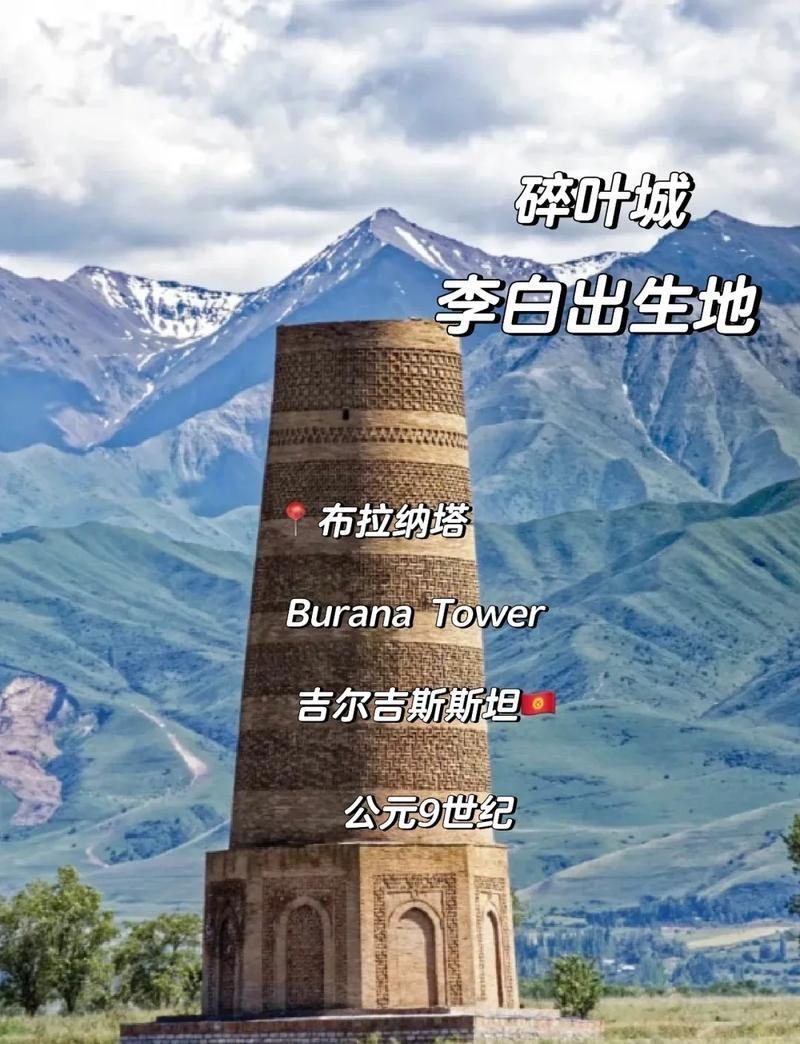
A garrison town of the Tang Anxi Protectorate on the Silk Road, near present-day Tokmok; the site places Li Bai's birth here.
Poem: Endless Longing·Part 1
The family home in Sichuan from his fifth year; the site links his sobriquet Qinglian Jushi to a local lotus pond, and presents the connection as legend.
Poem: Ancient Ballad About the Bright Moon (Excerpt)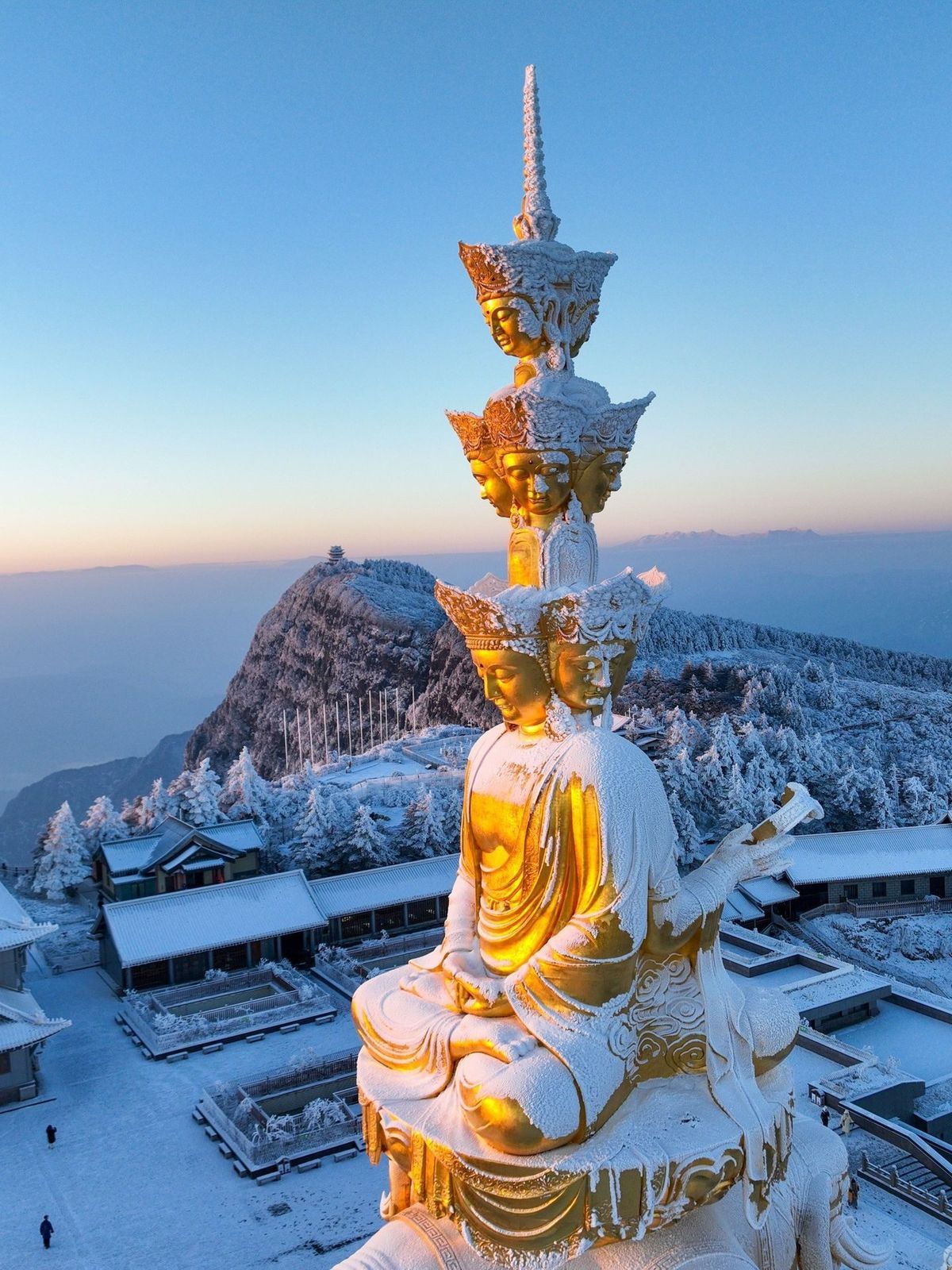
A Buddhist mountain in western Sichuan and the first stop of his 725 journey out of Shu; his poem names the Pingqiang River below it.
Poem: Ode to the Moon over Mount Emei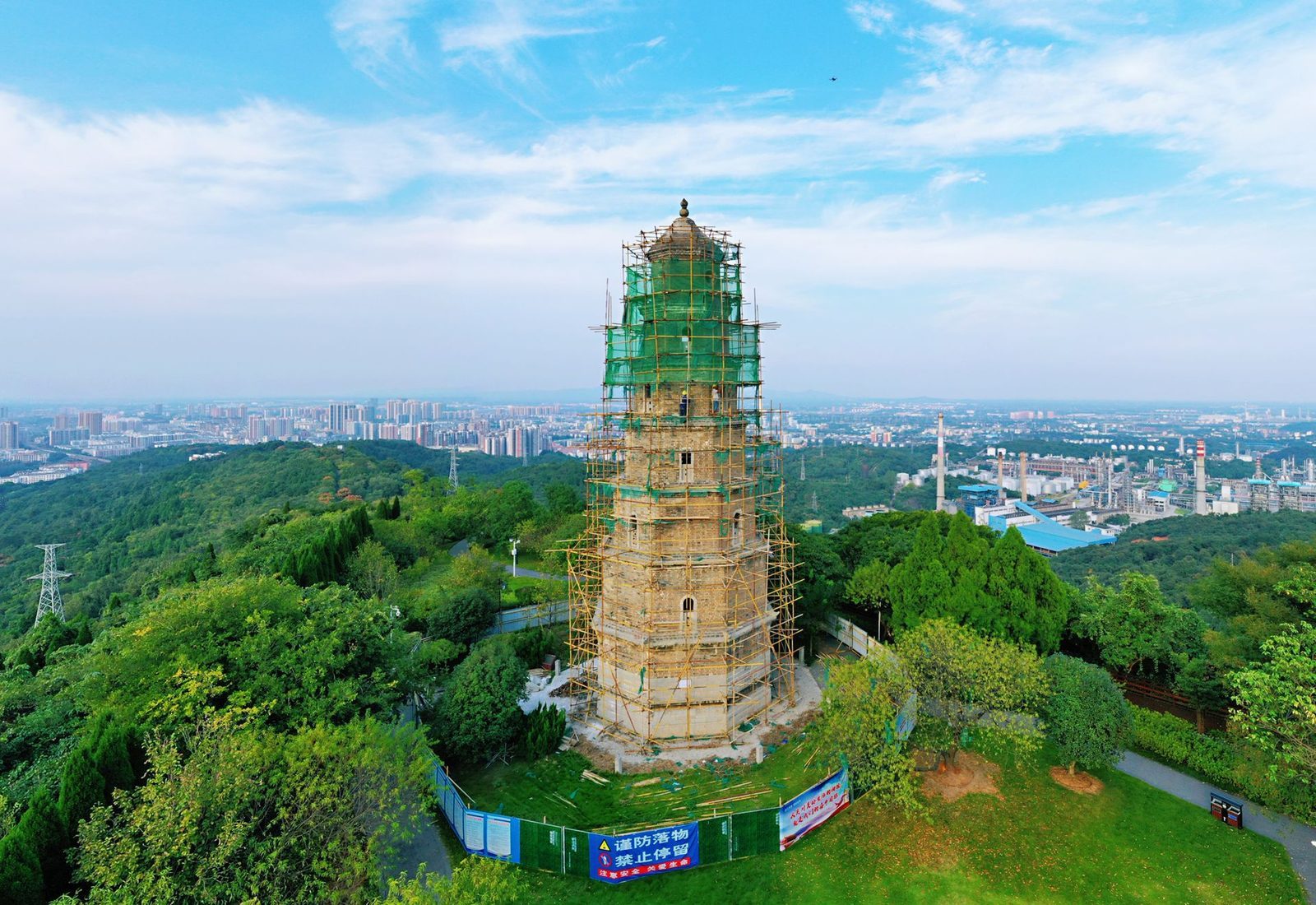
The Yangtze gateway between the Sichuan basin and the central plains; "Farewell at Jingmen Ferry" marks his crossing.
Poem: Farewell at Jingmen Ferry
One of the busiest commercial cities of Tang; the site and the poem page place "Quiet Night Thoughts" here in 726.
Poem: Quiet Night Thoughts
Where he married into the family of a former chancellor and spent about ten years seeking office while living quietly.
Poem: A Dialogue in the Mountains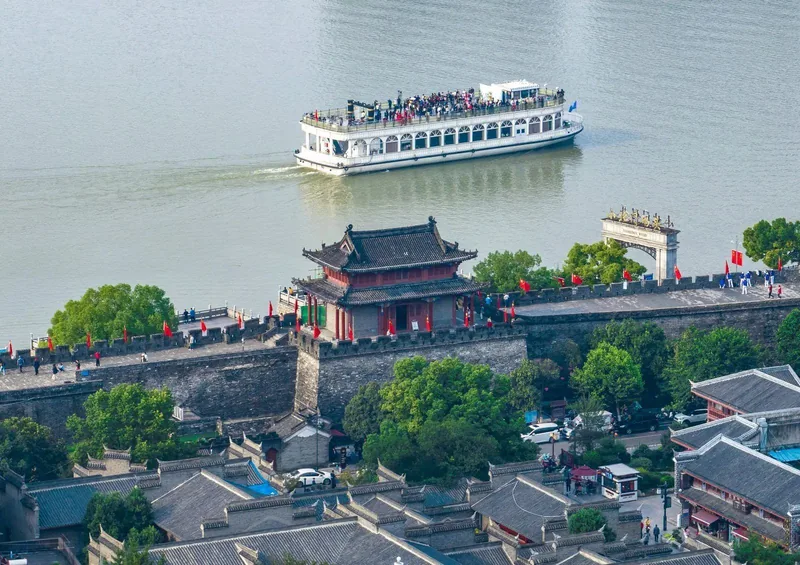
Meng Haoran's home region; Li Bai travelled here to visit the older poet at Lumen Mountain.
Poem: To Meng Haoran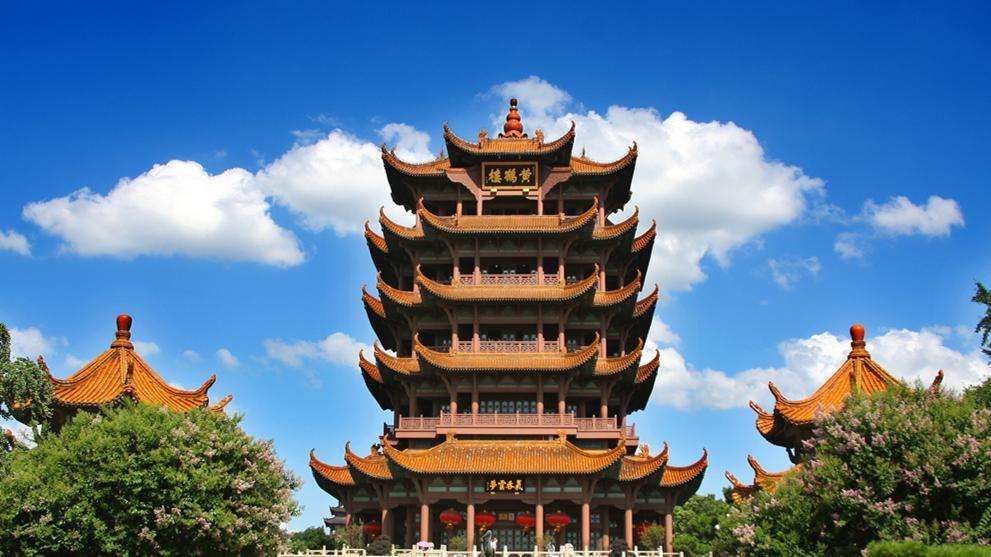
A riverside tower at Wuhan, where he wrote the farewell to Meng Haoran bound for Guangling.
Poem: Seeing Meng Haoran Off to Guangling at Yellow Crane Tower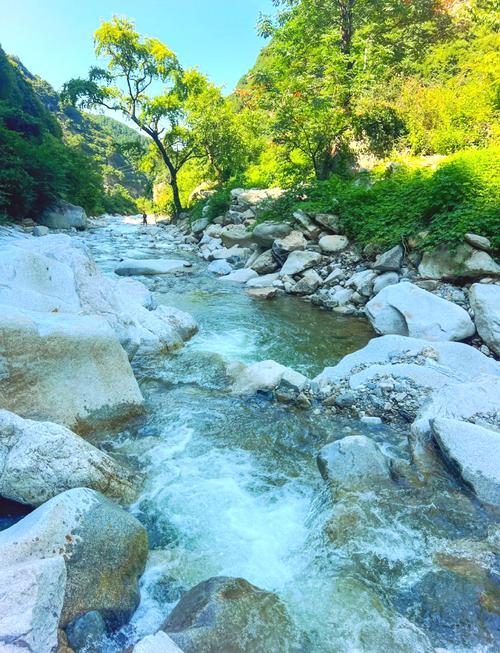
The Tang capital; in 742 he was summoned to serve as a Hanlin literary attendant, the high point of his official hopes.
Poem: Three Poems of Pure and Peaceful Tune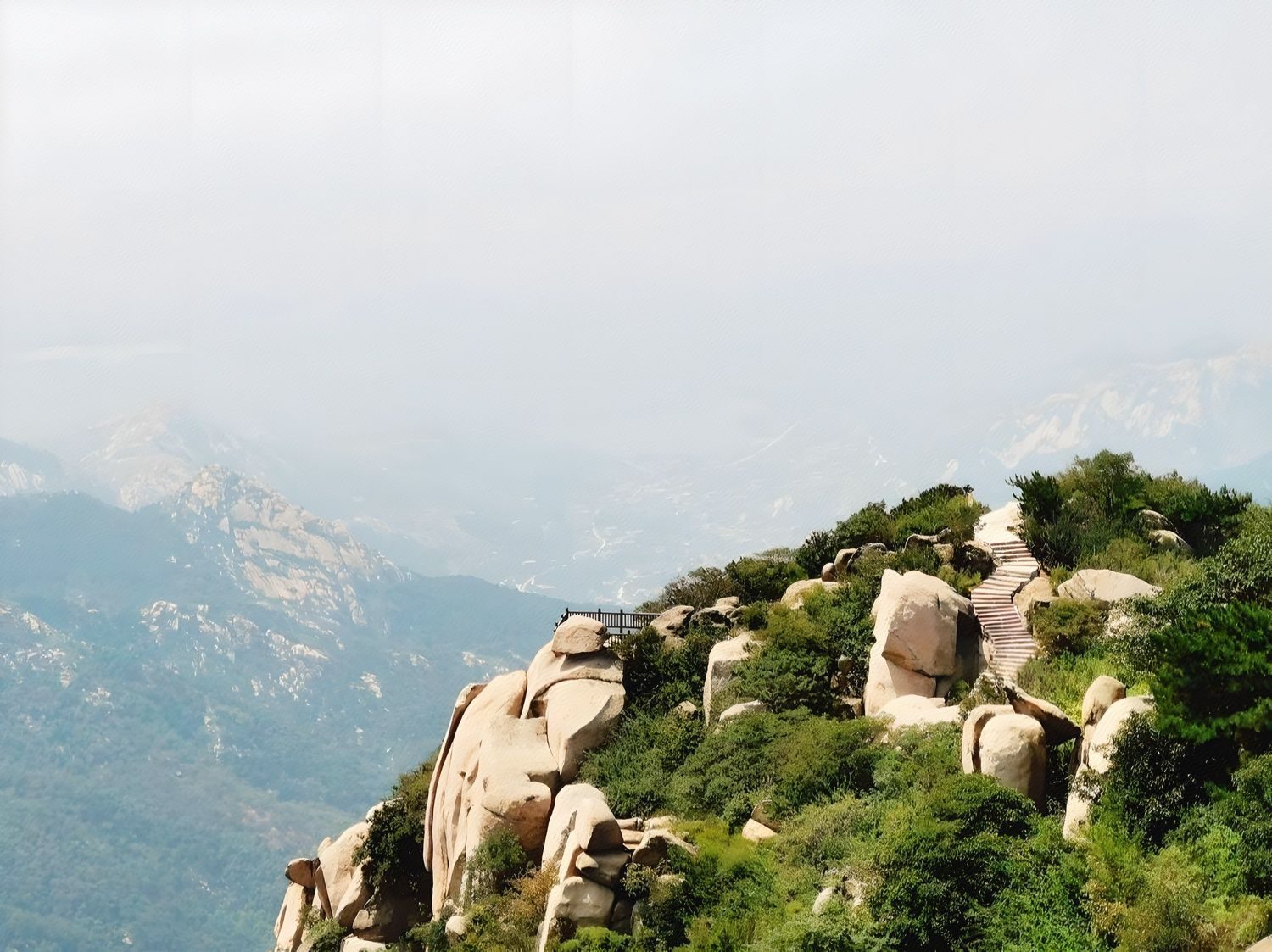
In Shandong; after parting from Du Fu in 745 he settled by the Bamboo Stream and drank with five companions, the "Six Eminents of the Bamboo Stream."
Poem: To Du Fu from Below Sand Dune Wall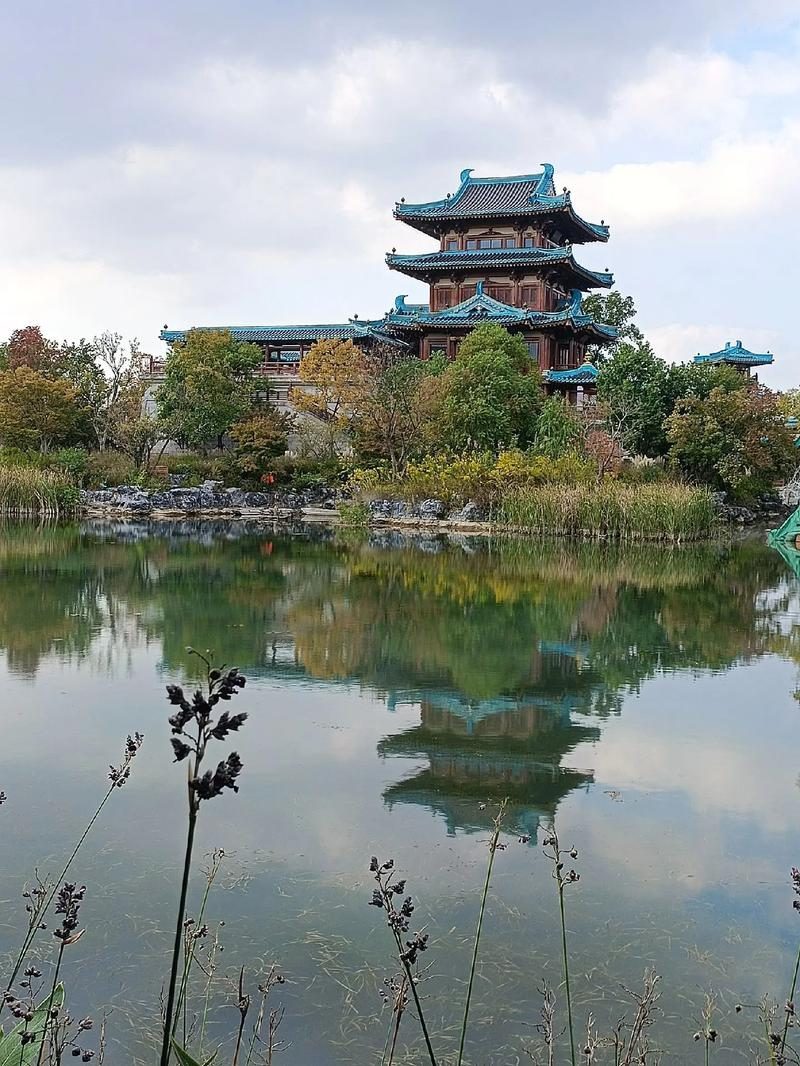
The old capital of the Six Dynasties; the site places "Ascending the Phoenix Terrace" here in 747.
Poem: Ascending the Phoenix Terrace in Jinling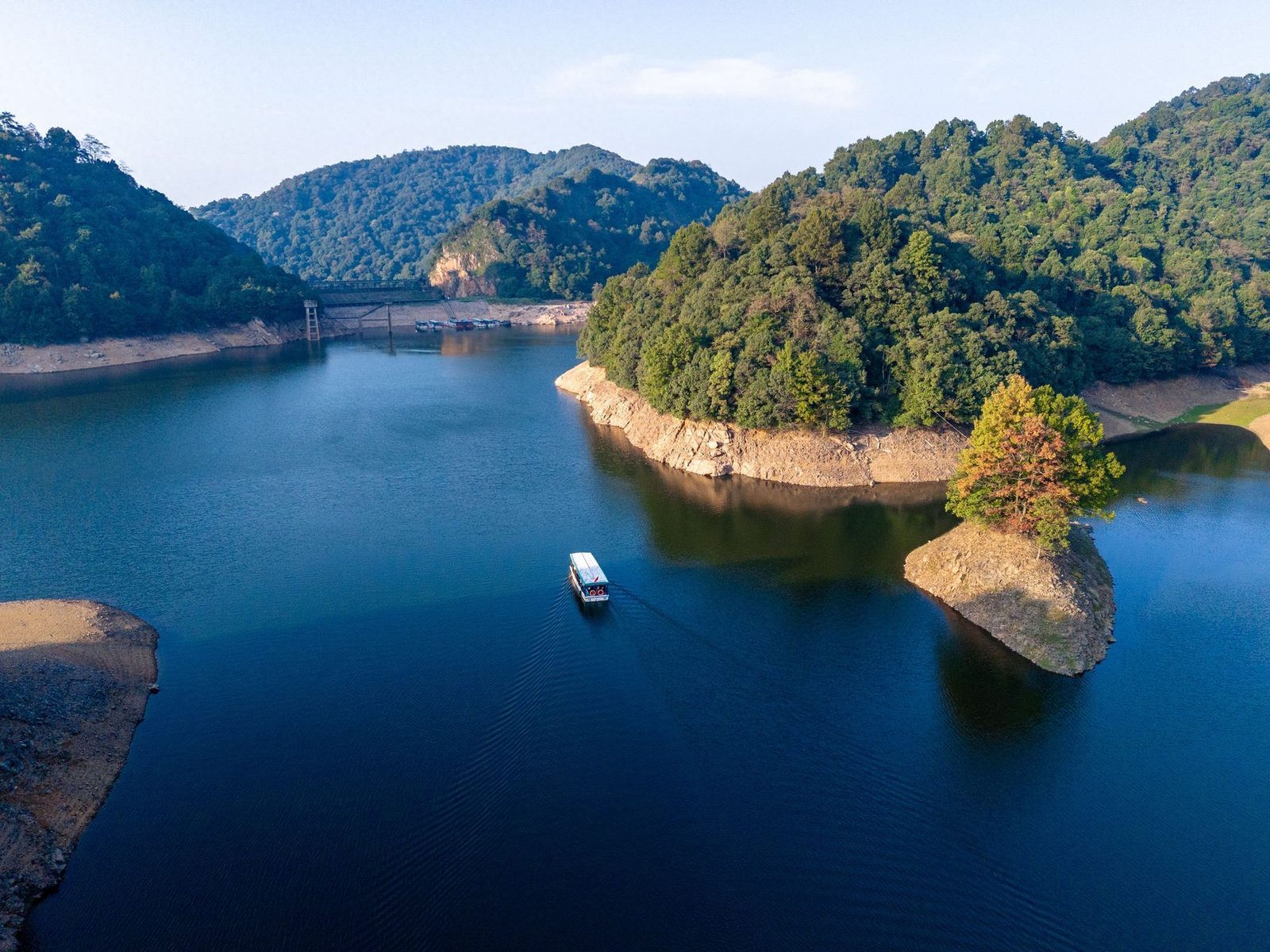
In Anhui; the site records a stay of several years and the seventeen "Songs of Qiupu," including scenes of local smelting.
Poem: Song of Qiupu·No. 15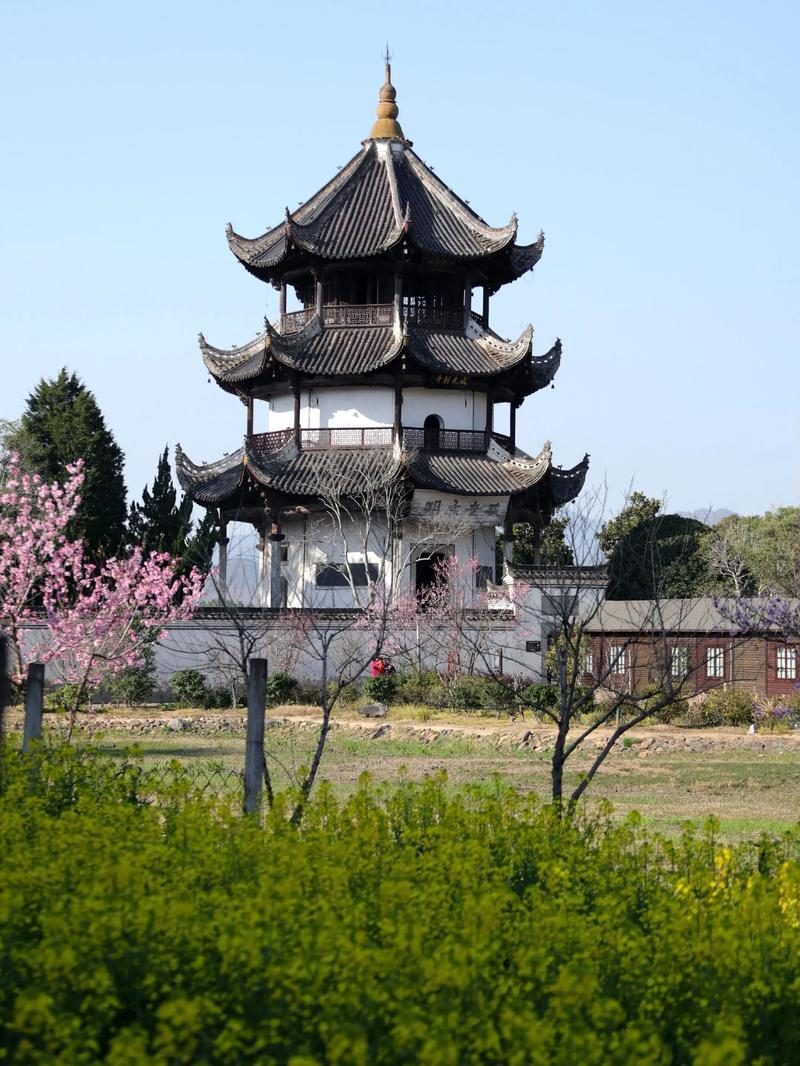
A pool in Jingxian, Anhui; his host Wang Lun is remembered in "To Wang Lun."
Poem: To Wang Lun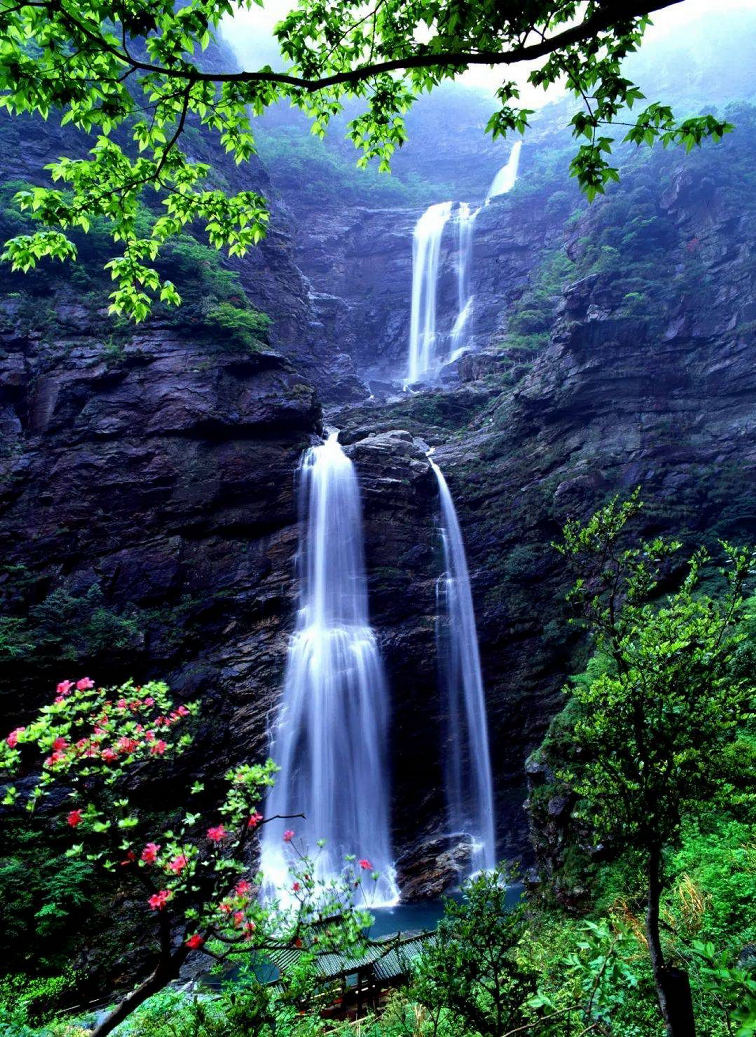
A mountain in Jiangxi where he took refuge after the An Lushan Rebellion began.
Poem: Viewing the Waterfall at Mount Lu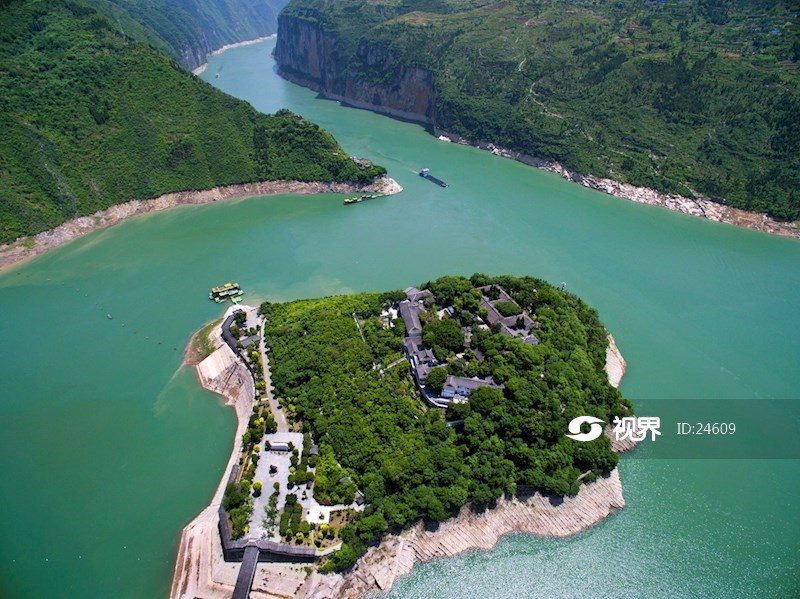
A cliff-top town at the entrance to the Three Gorges, where he was pardoned in 759 while being exiled to Yelang.
Poem: Departing Baidicheng Early
A riverside crag at Ma'anshan; the site records the legend that he drowned trying to embrace the moon, and labels it a legend.
Poem: Viewing Heaven's Gate Mountain
Where he died in 762 in the care of his kinsman Li Yangbing.
Poem: Song Before the RoadRead the short profile first: dates, five representative poems and notes on the most common misunderstandings.
Back to the profileDates, the five poems to start with, and the notes on what readers usually get wrong.
16 stations from Gongxian to Leiyang, the route of a poet whose life tracked the collapse of the Tang order.
13 stations from Meishan to Changzhou, following a career of postings, exiles and returns.
The Chinese-language poet page this route is drawn from, with the poems in full.
The Chinese-language map page where these routes are drawn on the site’s own diagrams.